


The article has been reviewed by Dr. Chiu Wang Kei, Specialist in Orthopaedics & Traumatology, St. Paul's Hospital

What are Menisci and Cruciate Ligaments? An Analysis of Tears, Injury Symptoms, and Treatment
The knee joint is one of the most complex joints in the human body, with the menisci and cruciate ligaments being key structures that maintain stability and functional movement. This article will provide an in-depth analysis of the structure and function of the menisci and cruciate ligaments, common symptoms of meniscal tears and ligament ruptures, as well as diagnostic methods, treatment options, and preventive measures to help you regain knee health.
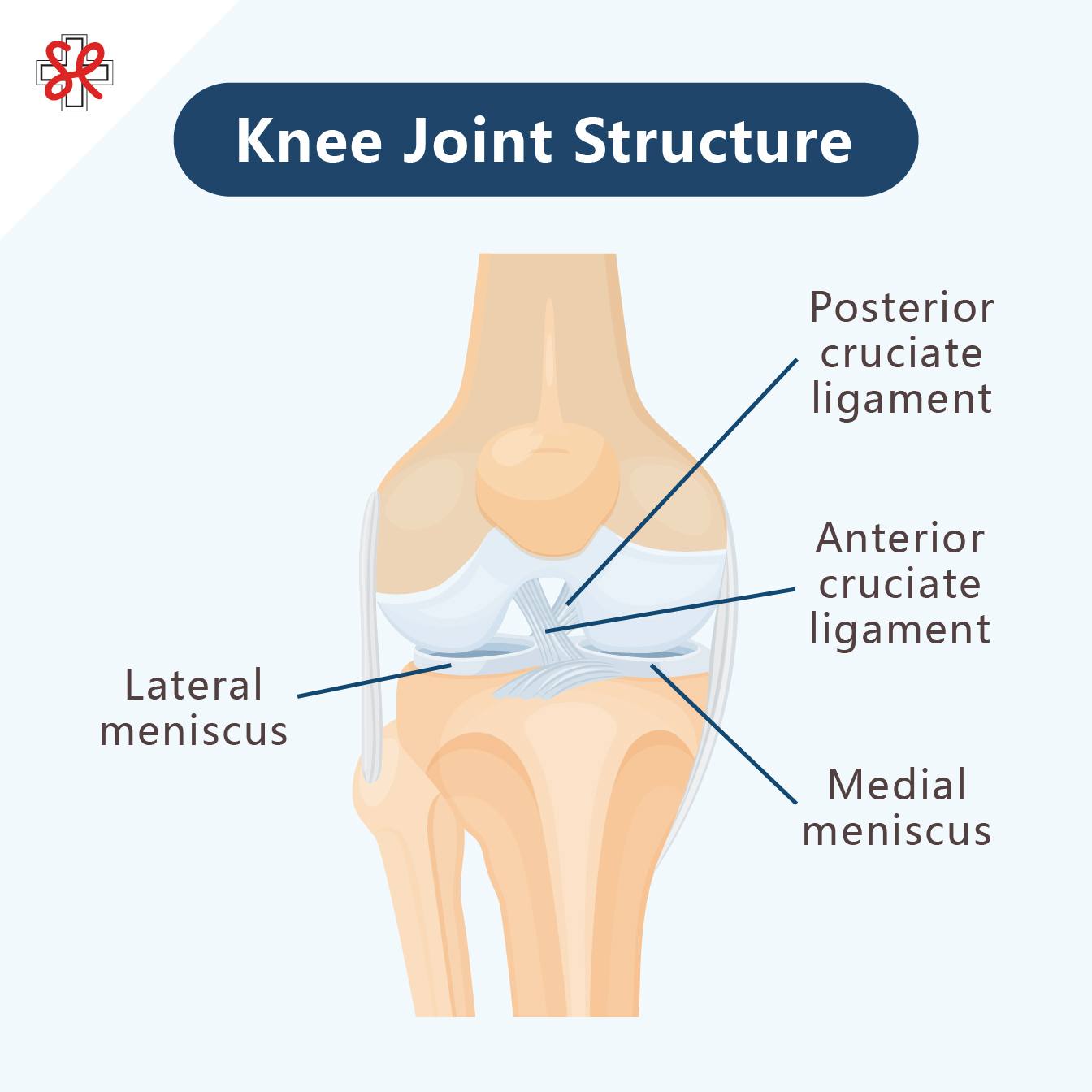
(  Click the image to enlarge )
What is the Knee Meniscus?
The knee meniscus is a crescent-shaped fibrocartilaginous tissue located within the knee joint. Its primary function is to enhance the stability of the knee joint while also cushioning shocks and distributing weight, which is crucial for protecting the joint and reducing wear. However, the meniscus is prone to wear and tear under long-term load, and it can also be injured if the knee suddenly rotates during physical activity.
What are Cruciate Ligaments?
The cruciate ligaments are important structures within the knee joint, composed of two intersecting ligaments: the anterior cruciate ligament (ACL) and the posterior cruciate ligament (PCL). The ACL connects the femur to the tibia and primarily functions to restrict anterior displacement of the tibia while controlling the knee joint's rotation, varus, valgus, and flexion. The PCL is located at the back of the knee joint and serves a different function, mainly limiting posterior displacement of the tibia to maintain joint stability.
Tears of the anterior and posterior cruciate ligaments are often caused by intense physical activity or external force impacting the knee joint, such as sudden changes in direction, abrupt stops, or jumping and landing, as well as traffic accidents. These injuries are common among athletes in high-intensity sports like soccer, basketball, and skiing, but they can also occur from accidental falls or impacts in daily life.
Symptoms of Meniscal Injury and Cruciate Ligament Tears
Meniscal Injury
- Knee pain, especially noticeable when walking, squatting, or going up and down stairs.
- Swelling in the knee, possibly accompanied by warmth or stiffness.
- Limited movement, difficulty fully straightening or bending the knee, sometimes feeling as if the knee is "locked" or "caught."
- Weakness or instability in the knee, leading to a feeling of "giving way" while walking or a sensation of dislocation.
- A "clicking" or abnormal sound may be heard when bending or moving the knee.
Cruciate Ligament Tear
Anterior Cruciate Ligament Tear
- At the moment of injury, a "pop" or explosive sensation is often heard or felt within the knee.
- Rapid swelling and stiffness in the knee, with a significant reduction in range of motion, and severe cases may render walking impossible.
- Intense pain, particularly noticeable when bearing weight or moving the knee.
- Bruising or hematoma may appear within the knee joint.
- The knees feel weak or unstable, and there is a tendency for the legs to "give way" or for the person to lose balance when walking or turning.
- Some patients may experience a feeling of "locking" or an inability to fully extend or bend the knee.
Posterior Cruciate Ligament Tear
- Pain at the back of the knee, especially noticeable when bending the knee or bearing weight.
- Swelling in the knee, often appearing within hours after the injury.
- Limited movement in the knee joint, with difficulty bending or straightening.
- The knee may feel unstable or weak, leading to a sensation of "giving way" while walking or going down stairs.
- There may not be a noticeable "pop" at the time of injury, but severe impact may cause damage to other structures.
- Long-term untreated injuries may lead to weakness or atrophy of the quadriceps muscle in the front of the thigh.
Causes of Meniscal Injuries and Cruciate Ligament Tears
Meniscal tears and cruciate ligament tears are the two most common types of knee injuries. Below are the common causes.
Causes of Meniscal Tears
Degenerative Tears
Degenerative tears typically occur in older adults or individuals who have subjected their knee joints to prolonged stress. The reasons include:
- Aging-related degeneration: As people age, the menisci gradually lose elasticity, becoming thinner and more fragile. Even minor twists or routine activities can lead to tears.
- Wear from sports: Long-term participation in high-intensity sports (such as running, hiking, or playing ball) can cause prolonged stress on the menisci, increasing the risk of degenerative tears.
- Occupational strain: Jobs that require frequent squatting, heavy lifting, or going up and down stairs (such as construction, cleaning, or moving) can lead to chronic wear on the menisci, placing continuous stress on the knee joint and accelerating degeneration.
Acute Tears
Acute tears often occur during sports or accidents, such as during activities that involve excessive pressure or weight-bearing. Sudden turns, abrupt stops, falls, or improper landing after jumps can create excessive pressure in an instant, leading to acute meniscal tears. These situations are more common among athletes or individuals suddenly bearing weight.
Causes of Cruciate Ligament Tears
%20Tears.jpg "Anterior Cruciate Ligament (ACL) Tears")
(  Tears.jpg "按圖放大 Click the image to enlarge_2") Click the image to enlarge )
Click the image to enlarge )
Anterior Cruciate Ligament (ACL) Tears
ACL tears are usually caused by the following actions:
- Excessive forward extension of the lower leg: For example, improper landing after a jump.
- Sudden stop: Abrupt deceleration during sports like basketball or soccer.
- Sudden changes in direction: Rotational movements of the knee during quick direction changes.
%20Tears.jpg "Posterior Cruciate Ligament (PCL) Tears")
(  Tears.jpg "按圖放大 Click the image to enlarge_2") Click the image to enlarge )
Click the image to enlarge )
Posterior Cruciate Ligament (PCL) Tears
PCL tears are often caused by:
- Direct impact to the knee: For instance, a severe impact to the tibia during a traffic accident or direct contact with the ground when falling.
- Excessive bending of the knee joint: Such as extreme flexion of the knee during a car accident, leading to damage to the posterior cruciate ligament.
Diagnostic Methods
When there is severe pain, swelling, or limited movement in the knee joint, doctors use imaging tests to confirm whether there is a meniscal injury or cruciate ligament tear.
Magnetic Resonance Imaging (MRI) Scan
MRI is currently the most accurate and commonly used imaging technique for soft tissue evaluation. It is particularly effective for diagnosing meniscal tears and injuries to the anterior cruciate ligament (ACL) and posterior cruciate ligament (PCL). MRI can clearly show the extent of damage to cartilage, ligaments, and intra-articular structures. Additionally, it is radiation-free and non-invasive, making it suitable for most patients, while also distinguishing between acute injuries and chronic degenerative damage. Therefore, MRI is typically the preferred diagnostic method, especially before surgical evaluation and treatment.
X-ray Examination
Although X-rays cannot directly show the menisci or ligaments, they still provide auxiliary diagnostic value, such as ruling out fractures, joint deformities, or narrowing of the joint space. For older patients, X-rays can also be used to assess for accompanying degenerative arthritis or bone spurs.
Treatment Methods
The treatment for meniscal and cruciate ligament injuries depends on the severity of the injury, the patient's age, activity demands, and the impact on daily life.
Meniscal Treatment Methods
The treatment approaches vary based on the extent of the meniscal damage. Here are common treatment options:
RICE Method (Acute Phase Response)
For mild injuries or early symptoms, the RICE principle can be used for self-care:
- Rest: Avoid further weight-bearing and protect the knee from pressure.
- Ice: Apply ice for 15-20 minutes at a time to help reduce swelling and pain.
- Compression: Use an elastic bandage for stabilization of the joint.
- Elevation: Keep the affected area elevated above heart level to promote circulation and reduce swelling.
Meniscus Repair / Debridement
Meniscus repair and debridement (partial removal) are primarily aimed at severe tears, when conservative treatment is ineffective or the injury impacts daily life.
Surgery is generally performed with the assistance of arthroscopy:
- Meniscus Repair Surgery: This minimally invasive technique stitches the torn meniscus together, aiming to preserve the original structure. It is suitable for tears on the outer edge of the meniscus, where blood supply is better, and in younger patients, helping to reduce the risk of future degenerative arthritis, though healing takes longer.
- Meniscectomy: This involves removing the damaged part of the meniscus that cannot be repaired, leaving only healthy tissue. This method is suitable for areas with poor blood flow or degenerative tears. Recovery is quicker, but it may increase the risk of joint wear in the long term.
Arthroscopic surgery is a commonly used and mature technique in orthopedics, effectively diagnosing and treating joint diseases. Performing meniscus surgery with arthroscopy has multiple advantages, including high level of safety, the ability to diagnose and treat simultaneously, small surgical incisions, low risk, and faster recovery.
Physiotherapy
Physiotherapy plays a key role in both conservative and surgical management. It helps with symptomatic control and restoring knee function. Management commonly includes strengthening exercises, stability and proprioceptive training, gait training and movement pattern correction. The goal is to facilitate return to usual activities and to minimize risk of re-injury.
Treatment Methods for Cruciate Ligament Tears
The treatment approach for cruciate ligament (anterior cruciate or posterior cruciate) tears is adjusted based on the severity of the injury, the patient's age, lifestyle and activity demands, and associated injuries (such as meniscus tears).
RICE Method (Acute Phase Response)
For mild injuries or early symptoms, the RICE principle can be used for self-care:
- Rest: Avoid further weight-bearing and protect the knee from pressure.
- Ice: Apply ice for 15-20 minutes at a time to help reduce swelling and pain.
- Compression: Use an elastic bandage for stabilization of the joint.
- Elevation: Keep the affected area elevated above heart level to promote circulation and reduce swelling.
Medication Treatment
In the initial phase, anti-inflammatory pain relievers (NSAIDs, Non-Steroidal Anti-Inflammatory Drugs) can be used to alleviate swelling and discomfort. However, long-term reliance on painkillers is not recommended; rehabilitation should be combined to improve stability.
Cruciate Ligament Reconstruction Surgery
If the patient has a complete tear or severe knee instability and has physical demands or needs to perform manual labor, surgical reconstruction is usually recommended. This is done through minimally invasive arthroscopic surgery using autografts ligaments (such as patellar tendon or hamstring tendon). Patients will need several months of rehabilitation post-surgery to gradually restore movement and weight-bearing functions. Successful ligament reconstruction can significantly enhance knee stability and reduce the risk of future meniscus tears and degenerative arthritis.
Physiotherapy
Physiotherapy plays a crucial role in the rehabilitation of ACL tear, managed both conservatively and surgically. A structured physiotherapy program helps facilitate a safe return to daily living activities or sports, and minimize the risk of subsequent injury. It typically involves targeted exercises and treatment aimed at managing symptoms, restoring range of motion and progressive strengthening to improve stability.
If you would like to consult for a doctor's diagnostic advice or learn more about treatment options, please make an appointment with our experienced orthopaedic specialists at the St. Paul's Hospital Specialist Outpatient Department.
Post-Surgery Rehabilitation and Care: Meniscal Injuries vs. Cruciate Ligament Tears
Rehabilitation and care after surgery for meniscal injuries and cruciate ligament tears differ slightly, primarily in terms of focus on knee joint stability and details of the recovery process.
| item | Meniscal Injury | Cruciate Ligament Tear |
| Rehabilitation Time | Partial meniscectomy: about 3-6 months; repair: 6-12 months | Generally 6-12 months or longer |
| Initial Care | RICE principle; avoid weight-bearing after repair; can bear weight earlier after partial removal | RICE principle; knee brace support needed; may need to partially or completely avoid weight-bearing initially |
| Physiotherapy |
Focus on knee joint range of motion training; gradual strength enhancement |
Strict rehabilitation plan emphasizing strength, balance, and proprioceptive training |
| Weight-Bearing Progress | Delay in weight-bearing after repair; can bear weight earlier after partial removal of the meniscus | Gradually increase weight-bearing as advised by the physician |
| Return to Activity | Daily activities: 3-6 months; vigorous activities: over 6 months | Vigorous activities: 6-12 months or more, and must fulfill the assessment requirement |
| Actions to Avoid | Initially avoid deep squats and twisting motions | Initially avoid jumping, abrupt stops, turning, and other high-risk actions |
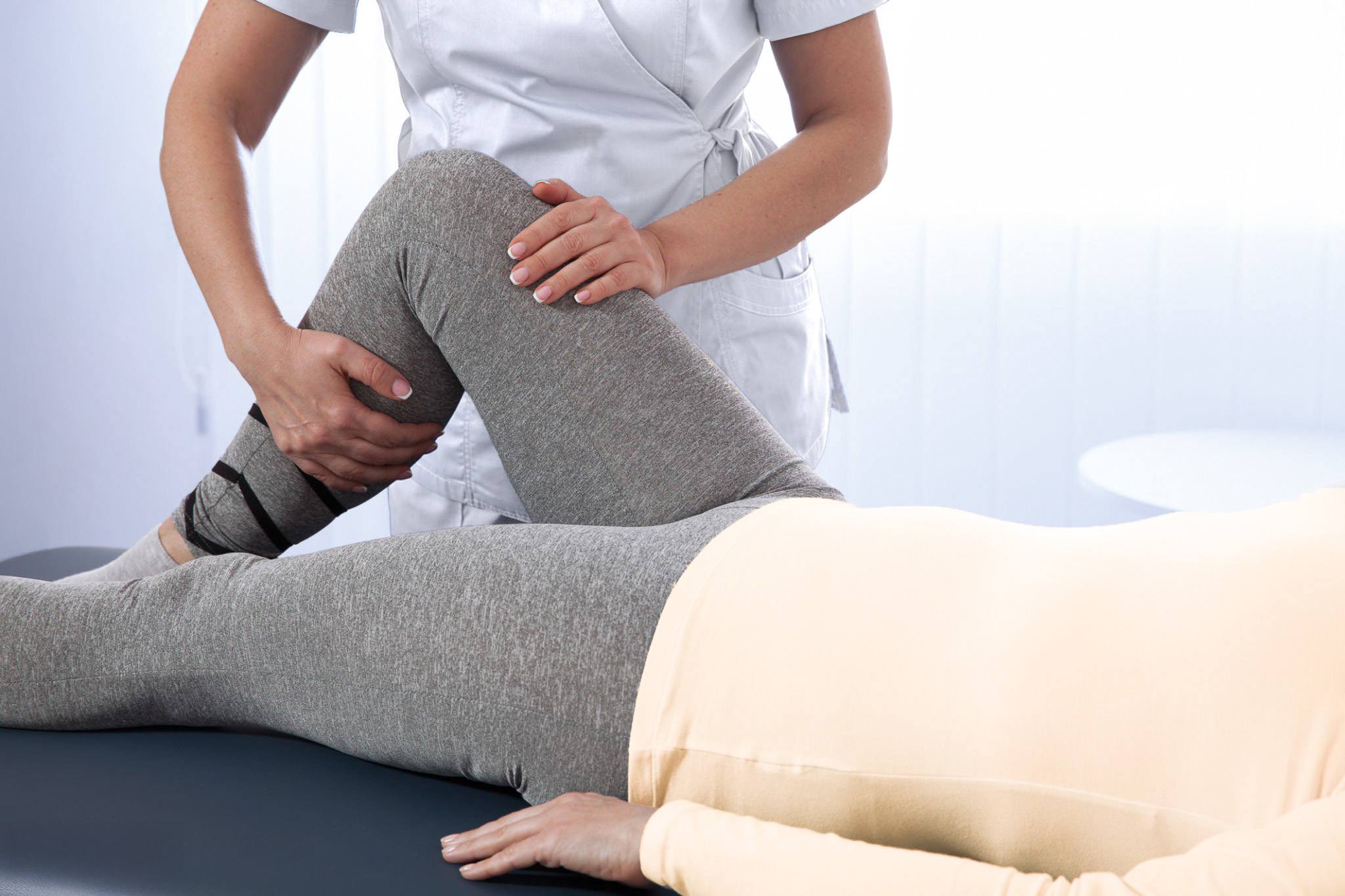
St. Paul's Hospital Rehabilitation Centre offers a diverse range of rehabilitation services, featuring a team of professional and caring physiotherapists who provide recovery treatments for sports injuries such as meniscal and cruciate ligament tears, as well as post-surgical rehabilitation. Please feel free to schedule an appointment.
Prevention Methods
Knee injuries often arise from improper posture during sports or daily activities, making preventive measures crucial. Here are several effective methods:
1. Engage in Regular Leg Strengthening Exercises
Strengthen thigh and hip muscles through exercises like squats and lunges.
2. Warm Up Properly Before Exercise
Perform sufficient leg raises or dynamic stretches to enhance joint flexibility.
3. Use Protective Gear for the Knees
Wear knee pads or braces during high-intensity activities to reduce the risk of injury.
Frequently Asked Questions
What effects can a meniscal tear have on the knee?
A meniscal tear can impair knee function, with common symptoms including knee pain, swelling, limited movement, and a sensation of the knee being locked or unable to fully straighten. If not treated promptly, it may lead to long-term issues such as joint instability, cartilage wear, and even degenerative arthritis.
What are the consequences if my meniscus is removed?
After a meniscus removal, the stability and cushioning of the knee joint are weakened, leading to increased pressure on the joint and accelerating cartilage wear.
How long does it take to recover from a cruciate ligament tear?
The recovery time for a cruciate ligament tear depends on whether surgery is performed and the execution of the rehabilitation plan:
- Non-surgical treatment: Partial tears typically require 3 to 6 months for recovery; complete tears may take 6 months to a year.
- Surgical treatment: After anterior cruciate ligament reconstruction surgery, it generally takes 6 to 12 months to regain normal activity levels. Athletes needing to participate in high-intensity sports may require a longer recovery period.
Is anterior cruciate ligament surgery necessary?
Not all patients with anterior cruciate ligament damage require surgery. For those whose daily activities are minimally affected and who do not engage in high-intensity sports, physiotherapy and conservative treatment may be sufficient. However, if the patient experiences knee instability or has activity demands, surgery is a better option, restoring knee stability and reducing the risk of further injury.
Is there an age limit for anterior cruciate ligament reconstruction?
There is typically no strict age limit for anterior cruciate ligament reconstruction; however, the patient's physical condition and needs should be considered:
- Adolescent patients: Special evaluation of the growth plates is necessary to avoid impacting bone development since their bones are still growing.
- Older patients: Those in good health with high activity demands may also benefit from surgery.
Are there any long-term effects from meniscal and cruciate ligament tears?
These injuries may lead to the following long-term effects:
- Meniscal tears: If not properly treated, they may result in knee locking, pain, swelling, and degenerative arthritis.
- Cruciate ligament tears: Post-surgery, there may be joint stiffness, muscle weakness, limited movement, and an increased risk of meniscal tears or degenerative arthritis.


